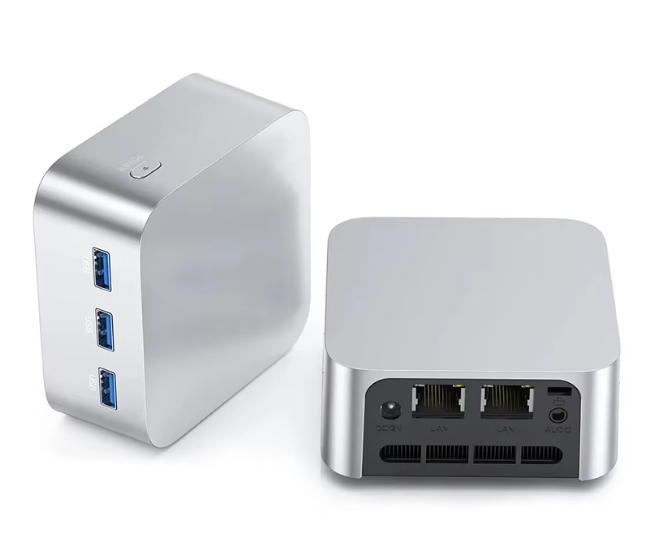
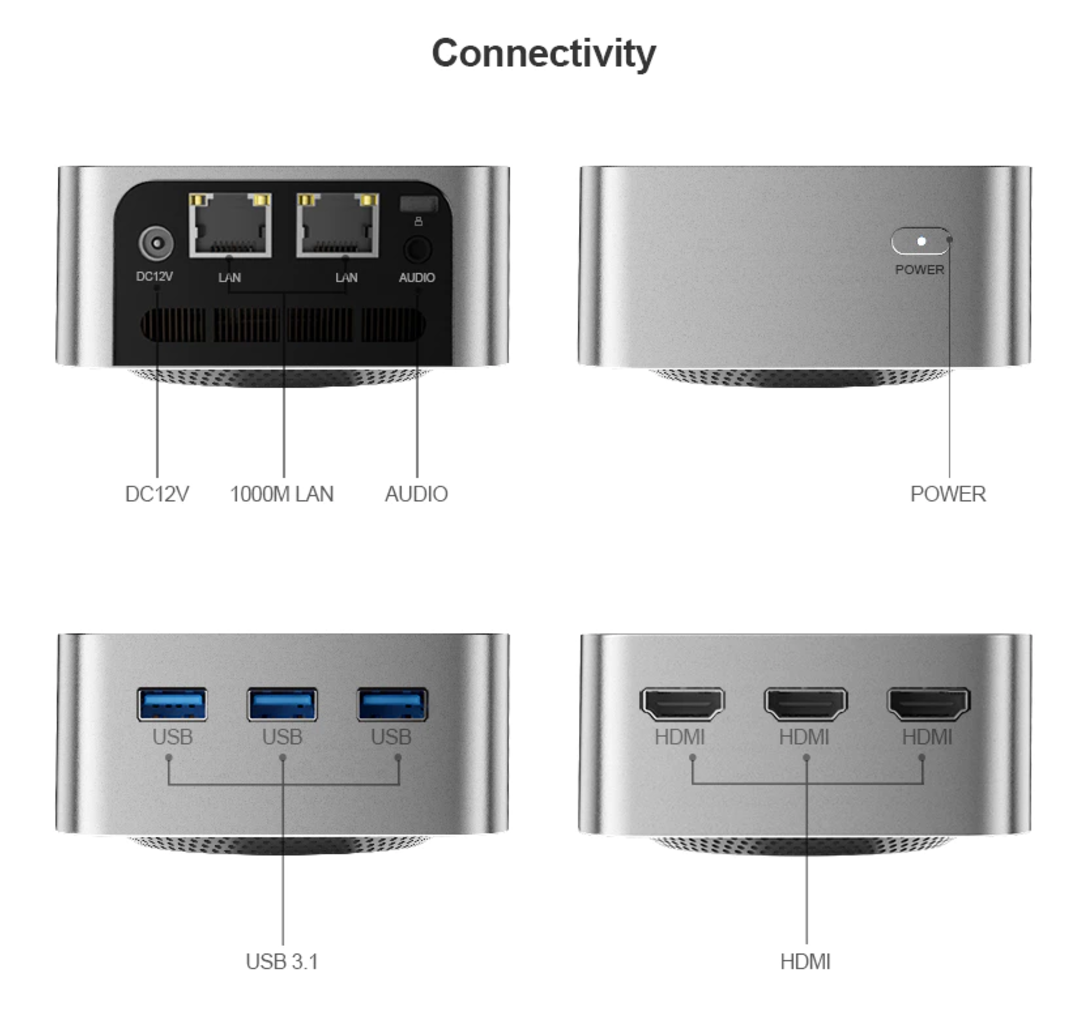
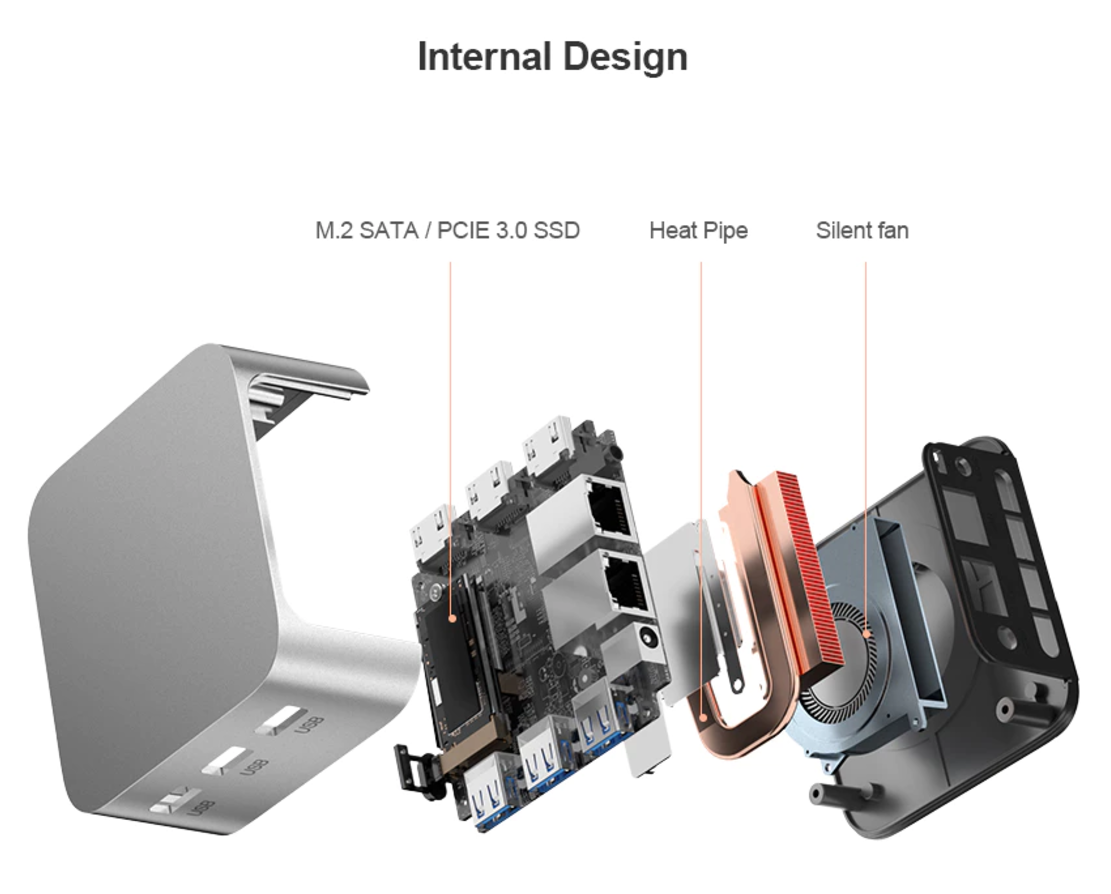
Hi Wrightys99, if you want the same mini-PC that I have, go to Aliexpress and seach for "T8 N100". The result will show many of these mini PCs, sold under different brand names, like Chatree, Firebat, or no name at all. Mine has no name. As far as I can tell they are all the same. Just pick the cheapest with your preferred configuration. I bought mine for around €150,- with 16GB RAM and a 256GB SSD. Make sure it has the N100 processor, not the older N5095. Although I ordered it without an OS, it came with Windows 11 pre-installed and activated at no extra cost. So I just made the system dual-boot where I can use Windows for tuning my servo drives, as many servo drives come with Windows tuning software.
Below are some pics.
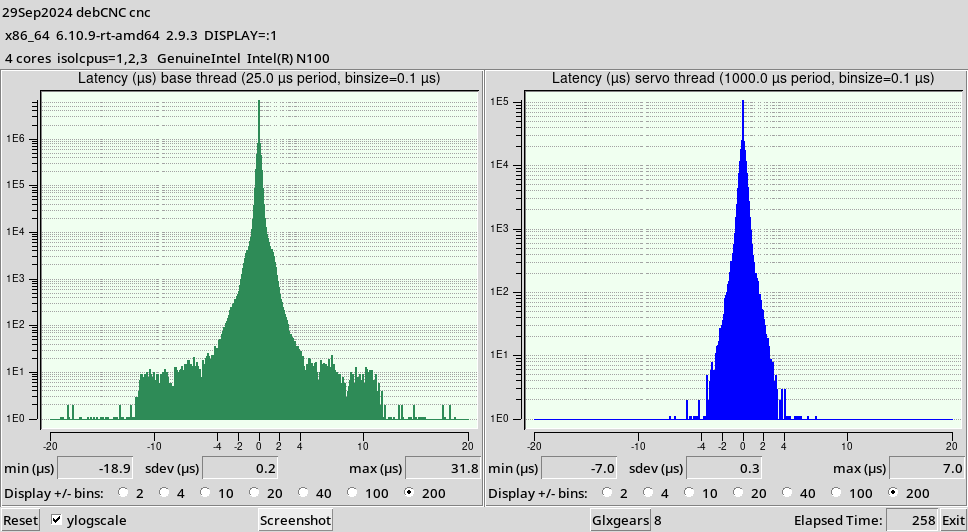
As for the most optimal settings, I will have to check how I modified the BIOS setting. Please allow me to follow-up with a separate post on that. As for isolcpus (boot config parameters) using isolcpus=1,2,3 gives by far the lowest latency, but at the expense of a slightly affected responsiveness of the system in case you want to run other tasks in addition to LinuxCNC, like YouTube or so. But since this PC will be a machine controller, it is recommended not to use it for anything else than LinuxCNC and not have it connected to the internet, certainly not during machine operation. What I typically do is use isolcpus=2,3 during system configuration, e.g. when building a new machine or modifying an existing machine, where I sometimes have to check online resources, and once the configuration is done switch back to isolcpus=1,2,3. But using isolcpus=2,3 still gives latencies that are low enough for using LinuxCNC, so setting it to 1,2,3 is not even needed. But many of us just love the fact that the system is running with the lowest latencies possible image missing /media/kunena/emoticons/cool.png Just make sure that the latency settings (max jitter) in your machine configuration matches the correct isolcpus settings. If the latency (max jitter) was determined with using isolcpus=1,2,3 and you run the machine with isolcpus=2,3, you could potentially encounter some issues. So if you want to run the machine with isolcpus=2,3, then also determine the max jitter with that setting and enter those results into your machine configuration.
For easily modifying boot parameters such as isolcpus, I typically use the program grub-customizer, which I find a bit more convenient than using the command line (sudo vi /etc/default/grub).