Aciera wrote: Have you seen this:
www.mesanet.com/pdf/motion/7i29man.pdf
It's definitely nice to do away with the extra cabinet and it is usually quite amazing what can be built into those machine stands using modern power electronics.
Thanks for the link, that was not available in my browser.
I am having some trouble weighing up the pros and cons of my axis drive options.
Option 1
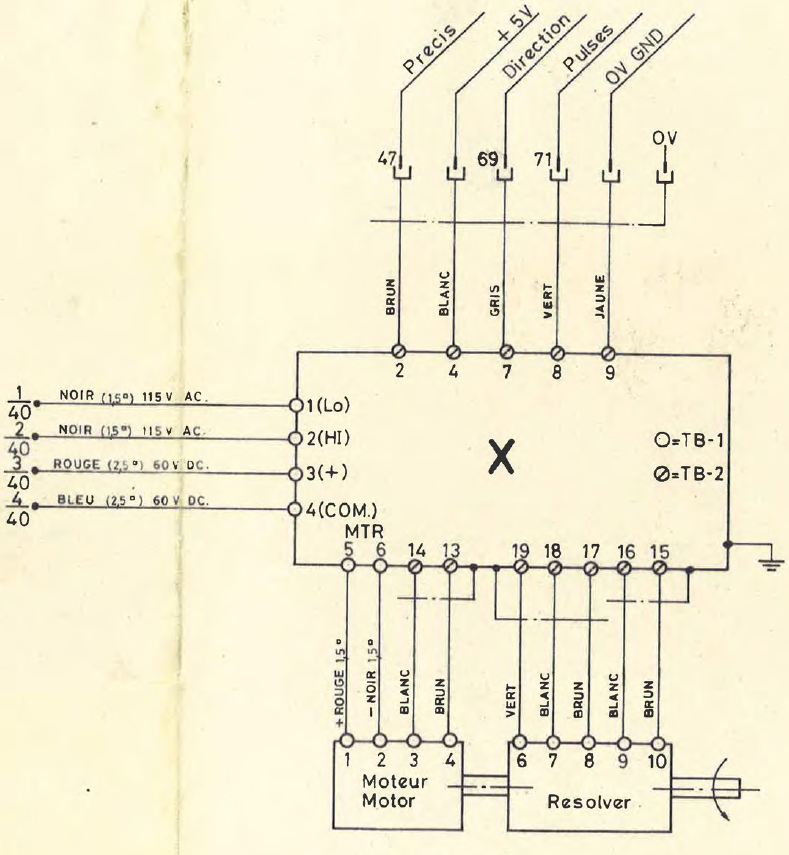
- retain the permanent magnet DC servos and resolvers and use MESA 7i29 and 7i49 to interface them.
Pro
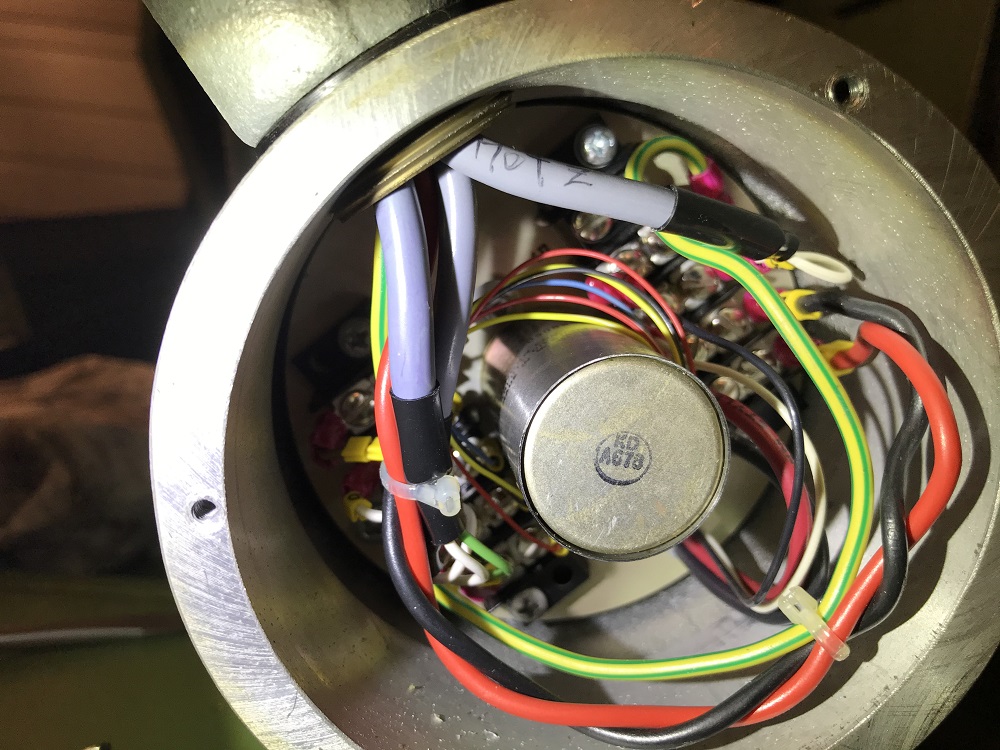
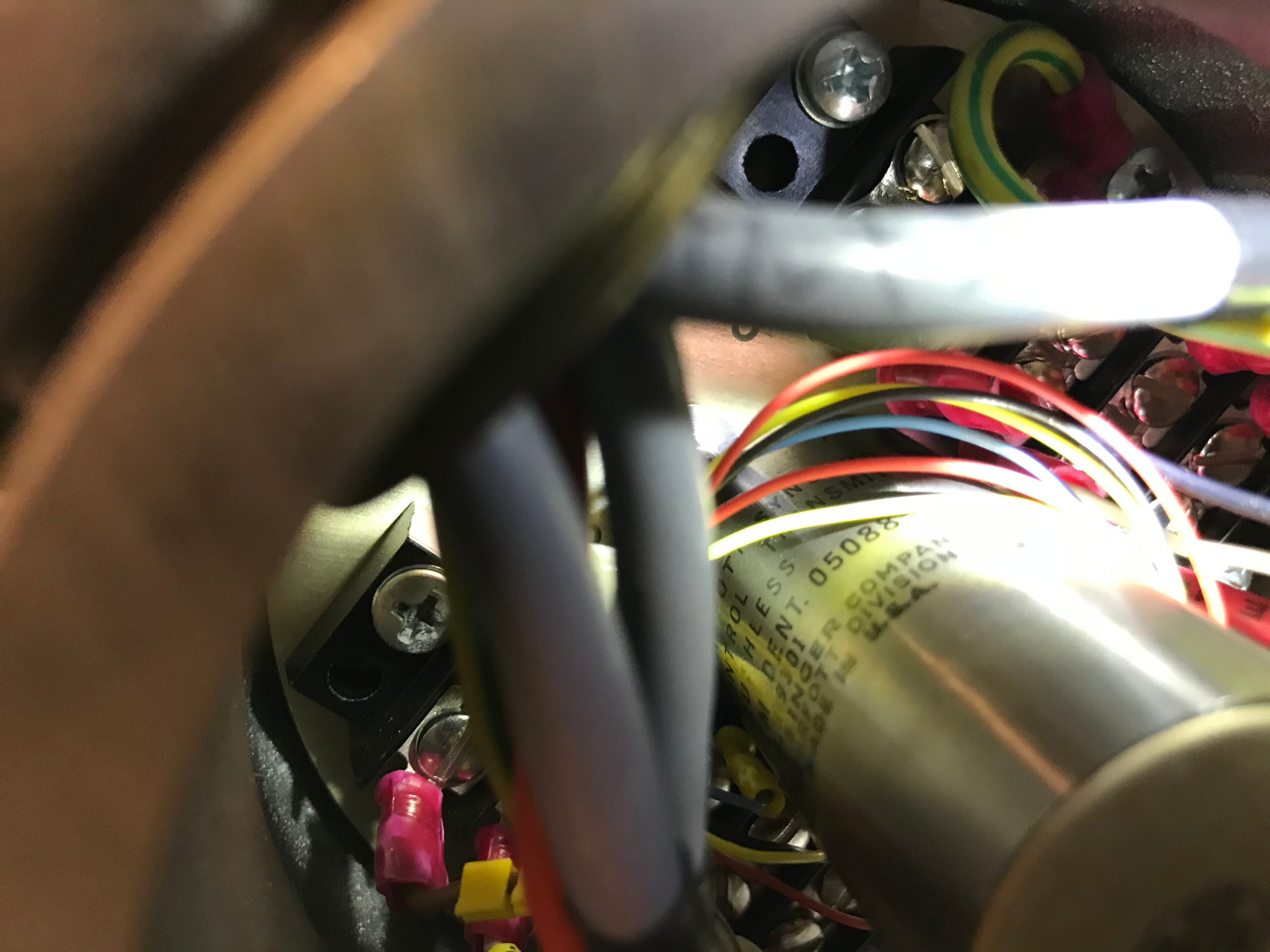
- Not physical change to motors, and their wiring solutions, which are very well protected in well engineered conduits and of high quality.
Con
- It is not clear how many mesa cards I would need. I'd like to have the PC up in the user module, and ethernet to a FPGA Mesa in the electrical cabinet. Plus a 7i73 back up in the user module.
- Need to retain the huge three phase transformer and add a (big?) rectifier to provide DC muscle power to the 7i29
- Lack of knowledge of the control technology (resovers, 7i29, 7i49 etc).
Option 2
- Replace the axis drive motors with 750W AC servos. I'd like to use the 7i96, or 7i76E (need to add up the IO). + 7i73
Pro
- Dump the huge transformer.
- Small compact drivers.
- Step/Dir interface (not sure if that is an advantage or not?)
-but also like to return the AC Servo driver encoder signal to LinuxCNC to close the position loop (or is that overkill, if you have no linear scales).
- Quiet/smooth
- leverage 7i96 knowledge I already gained.
Con
- Need to mechanically mount motors, need new pulley etc
- Not sure if I can get the cables routed down the existing, very well engineered conduits.
I am estimating that the price if probably a wash. The 7i29 and 7i49 are pretty expensive, and there would be other cards as well. It might come out little less than two AC servos plus shipping and customs though.
Getting everything into the current pneumatic bay and deleting the huge control cabinet is a major design goal, so the more compact solution will probably win out over the most inexpensive.
Mark