Yeah I know could sweep the millimeter probe, on a 0.1" pitch I'm okay with that but with a 50 thou pitch not so happy, that's just me & my eye sight. I need to learn some python someday I guess, so I might as well have a go. My son is pretty good at python, part of his physics course at uni, so I'll bend his ear. Plus I can do one buffer in one go.
What you are saying about pins 1,2,3,5,6,7 is a bit misleading (reading it would appear that the common 8 pins are connected to the FPGA without buffers). The A,B,C,D,E,OE,STB,CLK are also connected to buffers, but if they are similar in design to the other boards, 2 connectors share a buffer for those pins.
Considering there are 96 individual pins across all 16 connectors and 8 pins are common across the 16 connectors, giving a total of 104 pins it seems a waste just to use the board for step generation.
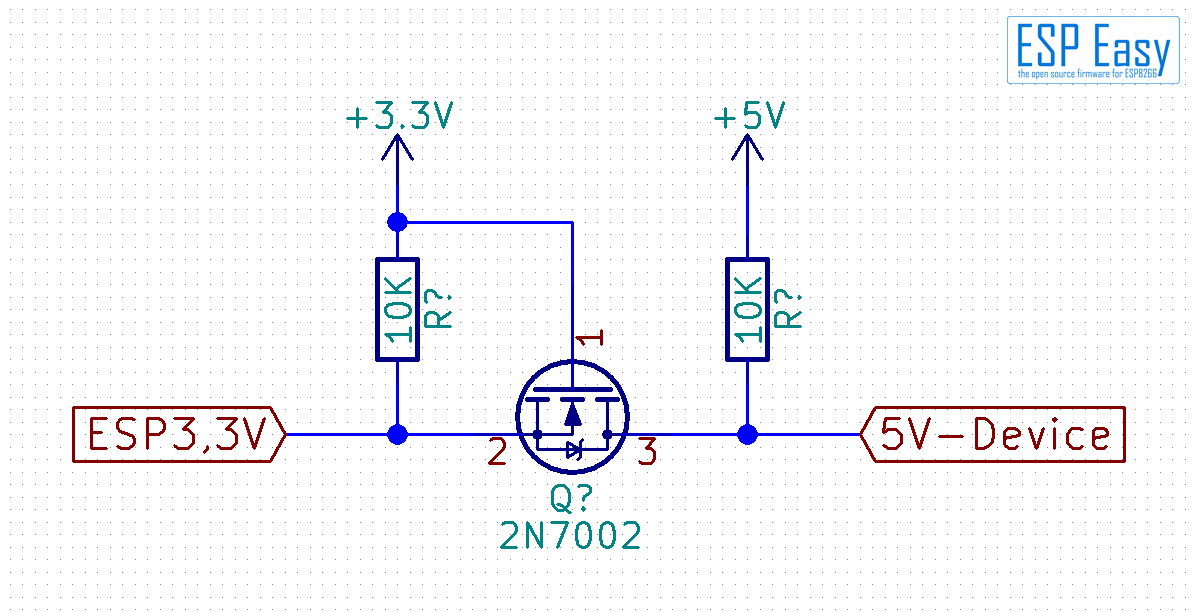
My plan is to use 74LVC245 for the inputs, these run on 3.3v but have 5v tolerant inputs, I've used these before on a BoB for my BeagleBone Black.
There is also the option of removing the buffers from the fpga board and bridge the pads with wires and have the buffers on a separate pcb connected via short cables.