

Please Log in or Create an account to join the conversation.
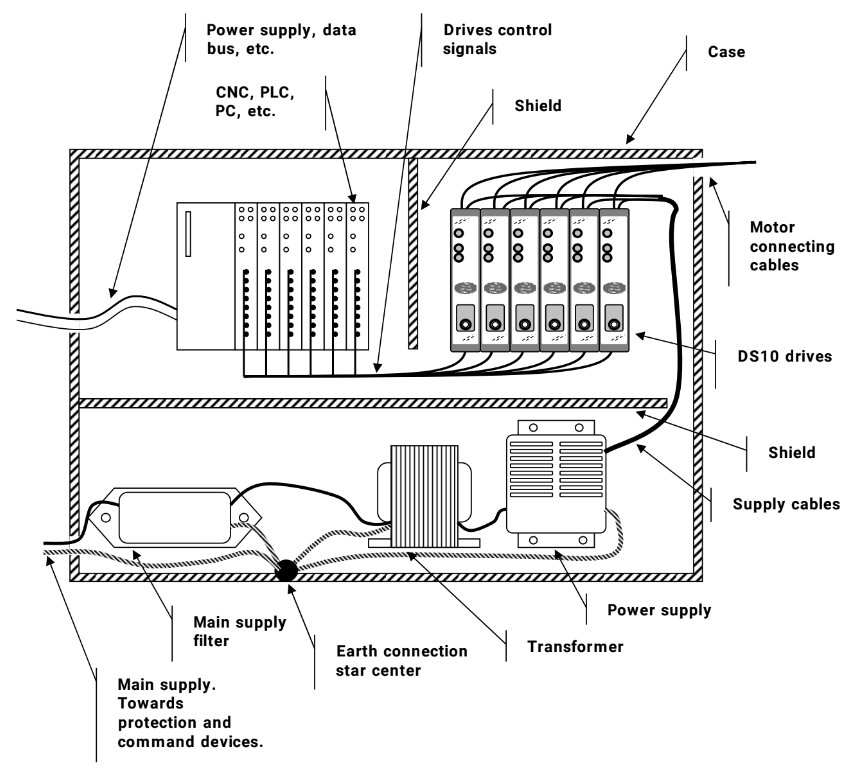
Since the drives look to be insulated from the cabinet's grounded mount plate, connecting the shield with a clamp to the plate won't do you any good as I understand it. You are probably best off just following the instructions in the manual, paying close attention to the "it must be as much short at possible" part.I guess use of a grounding clamps could be used instead of my pigtails to frame ground.
Please Log in or Create an account to join the conversation.
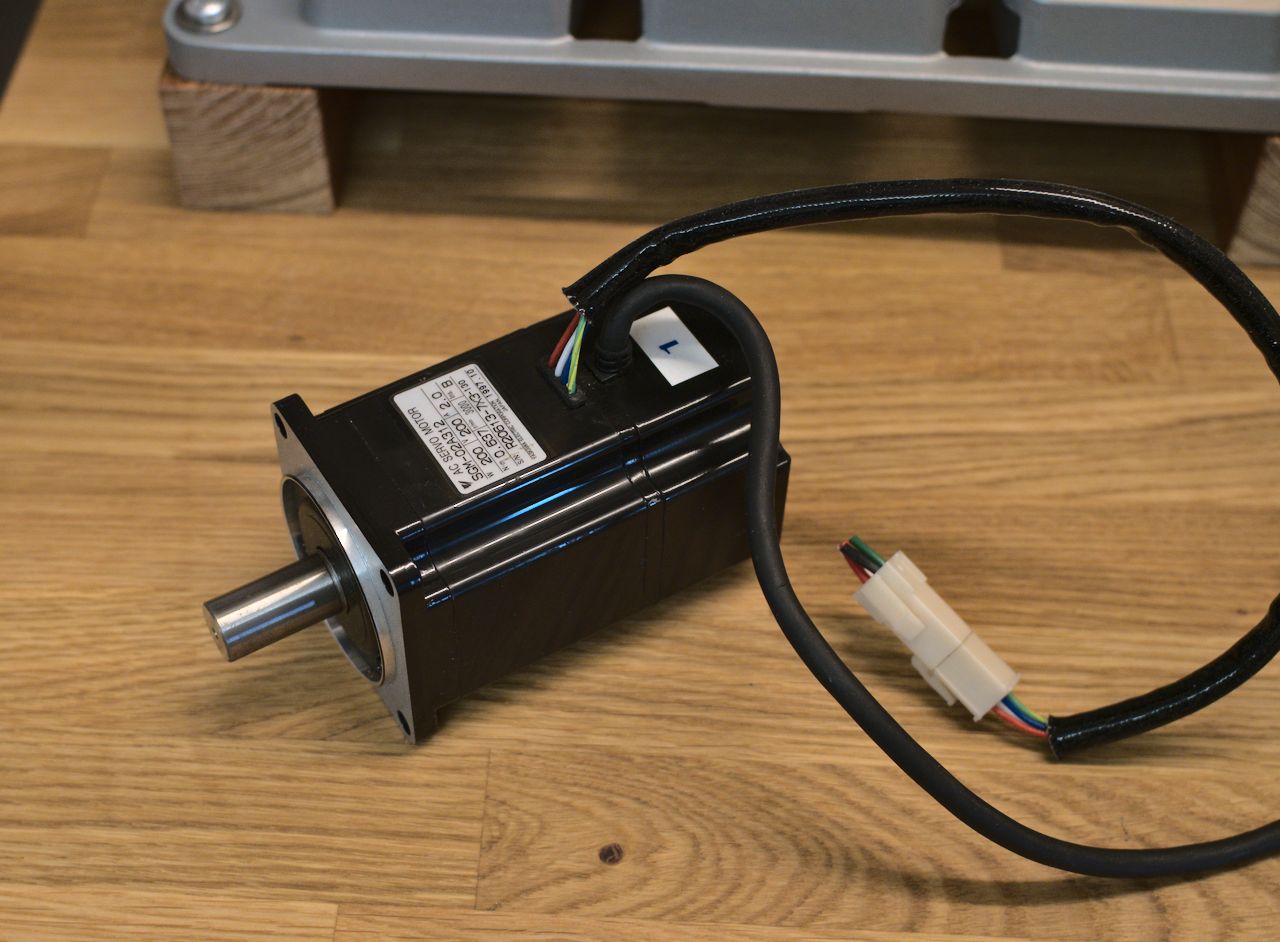
Yeah I have similarly been scratching my head about how to connect the shield to these old servos:I wouldn't know where to put the screen on my milling spindle. The junction box is in plastic.
Please Log in or Create an account to join the conversation.
Please Log in or Create an account to join the conversation.
I'm not sure why you would say that since it's exactly the opposite of what's recommended by the sources I gave earlier. E.g. from the Danfoss document:@avidb, Normally you would leave the shield unattached at the motor and attach it to frame ground at the enclosure.
It is important to realize that the effect of a shielded cable is reduced when only one end is terminated. It is very important to terminate correctly both ends of the motor cable, otherwise interference problems may occur.
Which is exactly what you want to avoid since it creates a big current loop for the noise to radiate from. See the Electrical Engineering Portal images. You also want to keep the motor noise away from ground circuitry used by other equipment to which it can otherwise be conducted. You want the noise return path to be through the shield, not through motion rails or paths shared with feedback circuitry.So I suspect This would explain why Lam do it the way they do. The EMI is drained away by the grounding system.
Please Log in or Create an account to join the conversation.
Please Log in or Create an account to join the conversation.